Network
Choosing an Android VPN in 2026: A Realistic Guide
A VPN moves the trust problem from your ISP to the VPN provider. That trade-off only makes sense with the right provider.

By Adrián Vega
Published 10 September 2025 · Updated 24 June 2026 · 7 min read

The first time I tried to use a "free" VPN on my Android phone, it slowed my connection down so much I couldn't even load a basic weather map. Beyond the speed, I later found out that the app was selling my browsing habits to a marketing firm. It was a classic "if you aren't paying for the product, you are the product" lesson. In 2026, the VPN landscape on Android is even more confusing, with every app claiming to be the fastest and most secure. But let's be real: a VPN isn't a magic invisibility cloak. It’s a tool with very specific uses, and most people are using it for the wrong reasons.
What a VPN really does
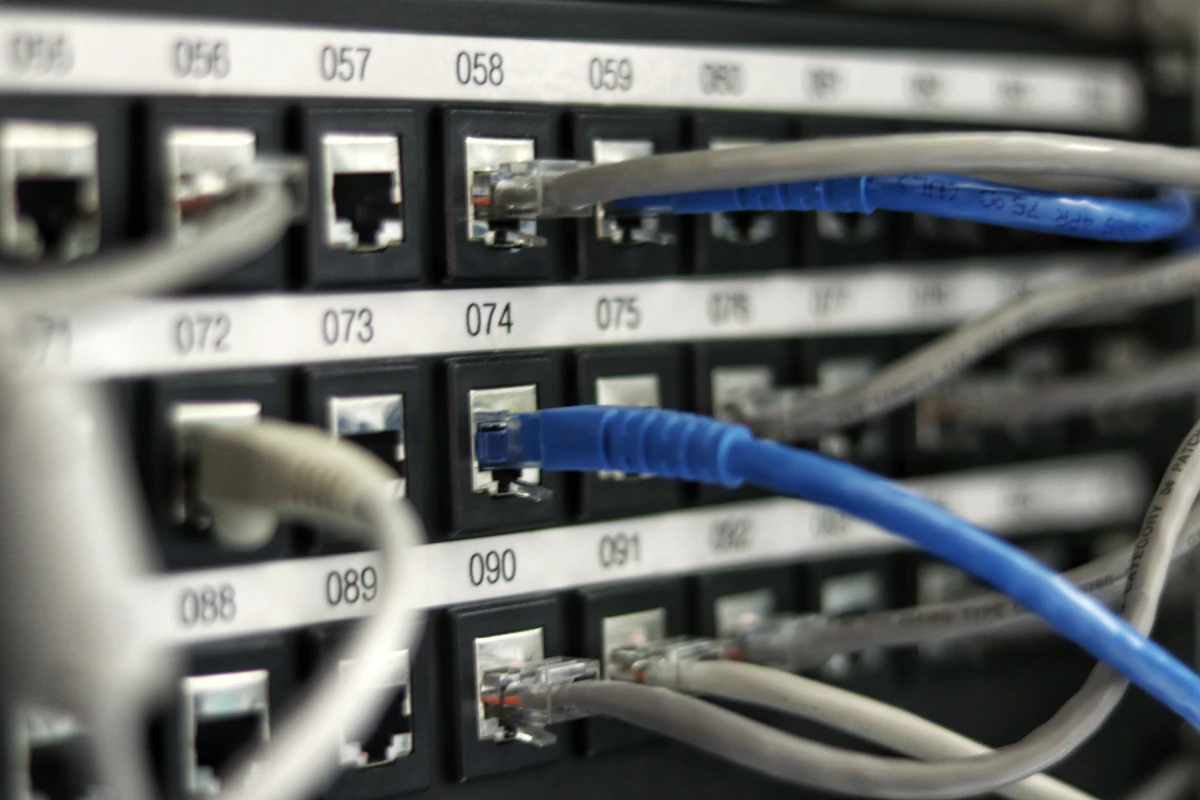
Think of a VPN like a private tunnel through a public mountain. Without a VPN, your internet service provider (ISP)—or the person running the coffee shop Wi-Fi—can see which "mountains" (websites) you’re visiting. They can't see exactly what you're doing on an encrypted site like your bank (thanks to HTTPS), but they know you're there and for how long.
A VPN hides your destination. Your ISP only sees that you're connected to the VPN provider. From there, the VPN provider sends your traffic to the final website. This masks your IP address, making the website think you're in a different city or country. However, it doesn't stop Google or Facebook from tracking you if you’re logged into your accounts. A VPN protects your connection, but it doesn't protect your identity if you're actively signing into services. It’s a common misconception that a VPN makes you "anonymous." It doesn't; it just shifts who you have to trust from your ISP to your VPN provider.
When you actually need one
I only turn my VPN on in three specific scenarios. First: Public Wi-Fi. If I’m at an airport or a hotel, I don't trust their router not to be compromised or configured to sniff traffic. Second: Avoiding regional blocks. If I'm traveling and want to watch a show that's only available on my home country's version of Netflix, a VPN is the only way to do it. Third: Privacy from my ISP. Some ISPs are notorious for "throttling" video traffic (making your YouTube buffer) or selling "anonymized" browsing data. A VPN stops that cold.
If you're at home on your own secure Wi-Fi, you probably don't need a VPN running 24/7. It usually just adds latency and drains your battery a bit faster. I’ve found that my Pixel 8 Pro loses about 5-8% more battery over a full day if I leave the VPN running constantly. It’s a small price for some, but for others, it's an annoyance that isn't always worth the trade-off if you're just browsing cat memes on your home network.
What to look for in a provider
Don't just search "VPN" on the Play Store and pick the one with the brightest icon. You want three things: a No-Logs Policy (verified by an outside auditor), WireGuard support, and a Kill Switch. WireGuard is the modern protocol that’s way faster and better for your battery than the older OpenVPN standard.
I personally stick with well-known names like Mullvad, IVPN, or ProtonVPN. They don’t require an email address (in some cases) and have a long track record of actually protecting user data. Avoid "Free" VPNs at all costs. Running a global network of servers is incredibly expensive. If they aren't charging you $5–$10 a month, they are making that money by selling your data or injecting ads into your browser. A "free" privacy tool is an oxymoron.
Setting up an Android VPN
Once you’ve picked a provider and installed their app, Android makes the setup pretty seamless. You'll get a system pop-up asking for "Connection Request." This is Android's way of making sure you know that the app is going to monitor your network traffic. Tap OK.
In your phone's settings, you can actually manage this further. Go to Settings > Network & internet > VPN. Here, you'll see a list of any VPN apps you’ve installed. If you tap the gear icon next to your chosen VPN, you can toggle on "Always-on VPN." This ensures that if your phone reboots, the VPN starts automatically before any other apps can send data. It’s a must-have setting if you're in a high-risk environment or if you’re trying to stay truly private.
Kill switch and always-on

The Kill Switch is the most important feature you’ve never heard of. If your VPN connection drops for a microsecond—maybe you’re switching from Wi-Fi to LTE—your phone will usually just revert to its standard, unencrypted connection. A Kill Switch prevents this by blocking all internet access the moment the VPN tunnel fails.
On Android 14 and 15, there’s a built-in "Block connections without VPN" toggle in the VPN settings menu. This is the "hardcore" mode. I tried this for a week, and while it was incredibly secure, it was also a bit of a pain. Some apps, like my banking app and certain smart-home controllers, refuse to work if they detect a VPN or if the connection isn't "local." It’s a classic security vs. convenience trade-off. For most people, the standard "Always-on" is enough without the "Block connections" nuclear option.
OEM-specific quirks
Every phone manufacturer handles background apps differently, which can mess with your VPN. Samsung and Xiaomi are particularly aggressive about "killing" apps to save battery. If you find your VPN keeps turning itself off, you need to go into the battery settings for that specific app and set it to "Unrestricted."
On a Samsung, go to Settings > Apps > [Your VPN App] > Battery > Unrestricted. On Xiaomi’s HyperOS, it’s under the "Battery saver" settings within the app info. If you don't do this, the system might put your VPN to sleep while you're in the middle of a session, leaving you unprotected without you even realizing it. I once spent three hours at a café thinking I was protected, only to find out Samsung’s "Device Care" had closed my VPN app 20 minutes after I sat down.
Alternatives to a VPN
If you mainly want to block ads and trackers rather than hide your location, you might not actually need a VPN. Private DNS is a much "lighter" way to achieve some of those benefits without the battery drain or speed hit. I’ll often use a Private DNS (like NextDNS) for my day-to-day life and only fire up the full VPN when I’m on a plane or trying to watch a show from another country.
Another alternative is Tor (using the Orbot app), but that is painfully slow and really only for those with extreme privacy needs. For the average person, a solid, paid VPN used sparingly is the best balance. Don't let the marketing spook you into thinking you're being "hacked" every time you go online without one. Use it when you're away from home, use a reputable provider, and keep your "Always-on" settings checked. That’s 90% of the battle won.
Key takeaways
- What a VPN really does is where you start — it's the fastest win.
- When you actually need one: don't skip this — it's where most users leave settings at risky defaults.
- What to look for in a provider: don't skip this — it's where most users leave settings at risky defaults.
- Setting up an Android VPN: don't skip this — it's where most users leave settings at risky defaults.
- Recheck these settings quarterly; OEM updates can reset toggles.
Frequently asked questions
- Does changing these settings break apps?
- Almost never. Modern Android apps must handle a denied permission or restricted access gracefully — they either skip the feature or prompt again when needed.
- Will this drain my battery?
- No. If anything, restricting background access and disabling tracking pipelines reduces battery and data usage.
- Do these steps apply to Android 13, 14 and 15?
- Yes. The menu paths shift slightly between versions and OEM skins (Pixel/stock, Samsung One UI, Xiaomi HyperOS), but the underlying controls behave the same.
References & further reading
Continue reading
Related guides

Wi-Fi MAC Randomisation on Android: What It Does and Why You Want It
Your phone's hardware identifier used to leak everywhere you went. Modern Android fixes that — if you let it.
7 min read · Updated 24 Jun 2026

Is Public Wi-Fi Safe on Android in 2026?
The advice about public Wi-Fi has aged. Here's what actually matters in 2026.
7 min read · Updated 24 Jun 2026
How to Choose a VPN for Android Without Getting Scammed
Half the VPN industry is owned by ad-tech companies. Here's how to pick one that actually helps.
7 min read · Updated 24 Jun 2026