Ads
Android TV and Tracking: Cleaning Up the Living-Room Device
Your TV runs Android too — and it ships with telemetry on by default. Here's the cleanup.

By Adrián Vega
Published 30 December 2025 · Updated 24 June 2026 · 7 min read

Most of us think of our TVs as just big screens, but modern Android TV (and Google TV) devices are essentially giant smartphones that you can't put in your pocket. Because they're "always on" and sitting in the middle of our homes, they are tracking goldmines. When I first looked at my router logs for my Sony TV, I was shocked to see it was "calling home" to dozens of marketing servers even when it was turned off. It’s a little creepy, but with 10 minutes of clicking, we can shut down most of that chatter.
Default telemetry

When you first set up a Shield TV, a Chromecast, or a Sony/TCL TV, you're usually clicking "Accept" on a lot of long legal screens just to get to Netflix. In those screens, you're often agreeing to send "Usage and Diagnostics" to Google. This tells them which apps you open, how long you stay in them, and even details about your Wi-Fi signal.
To turn this off, grab your remote and head to Settings (the gear icon) > Device Preferences > About (on older versions) or Settings > Privacy (on newer Google TV versions). Look for **Usage & Diagnostics** and toggle it off. This won't stop your TV from working; it just stops it from reporting back to Google every time you switch from YouTube to Hulu. I've noticed the UI actually feels a tiny bit snappier on cheaper TVs once you turn this off because the system isn't constantly trying to package and send those log files in the background.
TV ad ID
Just like your Android phone, your TV has a unique "Advertising ID." This is the "passport" that trackers use to build a profile of what you like to watch. If you've ever wondered why you see an ad for a blender on your phone after watching a cooking show on your TV, this ID is the reason.
On your TV, go to Settings > Privacy > Ads. You'll see an option to "Reset advertising ID" or "Delete advertising ID." I highly recommend deleting it entirely if your version of Android TV allows it (most Android 12+ versions do). If it doesn't give you a "Delete" option, hit "Reset" and then toggle on "Opt out of Ads Personalization." It won't remove the "sponsored" rows on your home screen—those are unfortunately hardcoded—but it will prevent those ads from being based on your private viewing habits. It’s about as much control as we get in a "free" ecosystem.
App-level tracking
While Google gets a lot of the blame, the apps you install are often worse. Apps like Tubi, Pluto TV, or even some "official" network apps are packed with trackers. One thing I find really annoying is that many TV apps don't respect the system-wide privacy settings. They require you to go into their own settings menu to opt-out of data sharing.
Every time you install a new app, take 30 seconds to find its "Settings" or "Legal" menu. Look for terms like "Interest-based ads" or "Data sharing." For example, in the Hulu app, you often have to go to your account on a web browser to truly opt-out of their tracking. Also, be careful with "free" screensaver or weather apps on the Play Store. These are notorious for running background trackers. I stick to the official wallpapers or the "Ambience mode" from Google to avoid the extra junk.

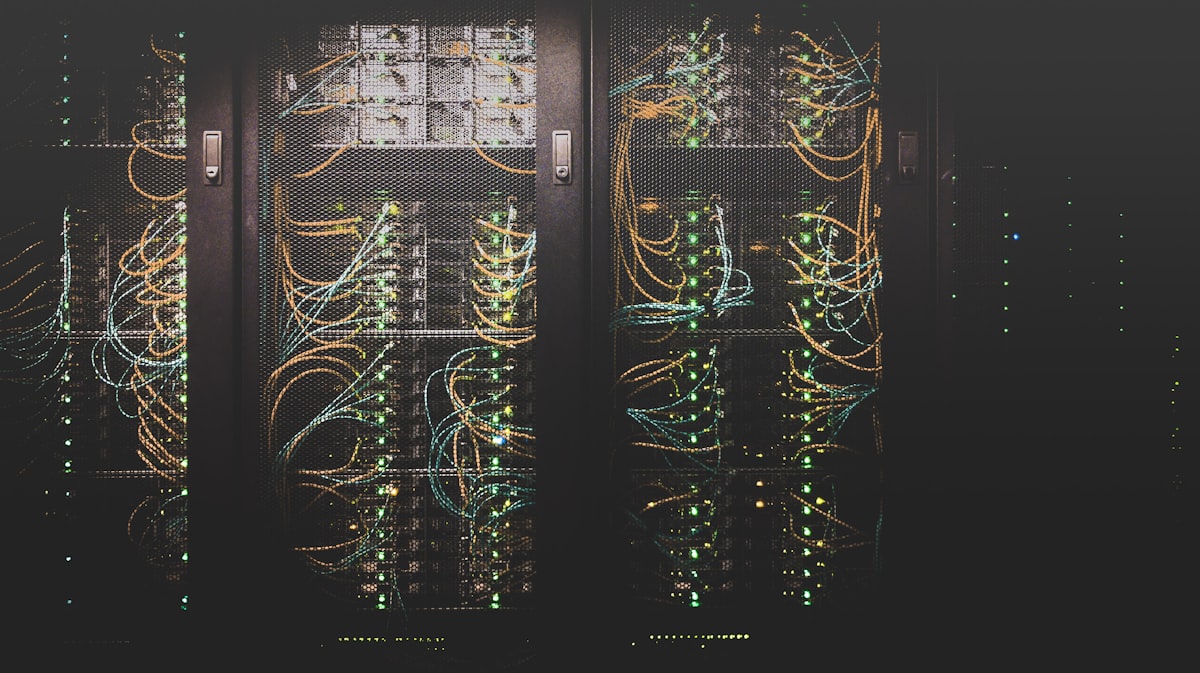
Illustration — Router-level DNS. Stock photograph, not an actual device screenshot.
If you really want to put a lock on your living room, you have to look at the network. Most smart TV trackers are smart enough to bypass your phone's settings, but they have to go through your router. This is where a Private DNS or a "DNS sinkhole" comes in.
I use **NextDNS** on my home router. By putting the NextDNS addresses into my router's settings, every device in my house—including my "dumb" smart TV—gets its tracking blocked. When I check my logs, I see my TV trying to reach `scribe.logs.roku.com` or `google-analytics.com` and getting blocked at the gate. If you can't change your router settings, some Android TV boxes (like the Nvidia Shield) actually let you set a "Private DNS" in the Network & Internet settings, just like a phone. Type in dns.adguard.com and watch the background chatter drop to zero.
Samsung Tizen and LG WebOS aside
It’s worth mentioning that if you have a Samsung or LG TV, you aren't actually running Android TV—you're running Tizen or WebOS. These are even more aggressive with tracking because they use something called "ACR" (Automatic Content Recognition). It literally "sees" what’s on your screen—even if you’re using an external DVD player or a game console—by taking tiny screenshots and comparing them to a database.
On Samsung TVs, look for **"Terms and Privacy"** in the settings and disable "Viewing Information Services." On LG, it’s under **"Settings > Support > Privacy Selection"** where you should turn off "Live Plus." I tell my friends that if they have one of these TVs, the most "pro" move is to actually disconnect the TV from the Wi-Fi entirely and just use a dedicated Chromecast or Apple TV. It’s the only way to be 100% sure the TV isn't watching you back.
A 10-minute living-room checklist
If you want to clean up your TV tonight, here is the quick-fire list I follow whenever I help a friend set up their living room. It's not a perfect fix—the home screen ads are still a pain—but it makes a massive difference in your privacy footprint.
- Usage Reporting: Go to Privacy settings and toggle off "Usage and Diagnostics."
- Ad ID: Delete or Reset your Advertising ID in the Privacy menu.
- Location: Turn off "Location Status" unless you really need a "weather near me" feature on your home screen.
- App Permissions: Go to Settings > Apps > See all apps and check the permissions for things you didn't install (like system-bloatware). Disable what you can.
- ACR: If your TV has a "Viewing Data" or "Sync Plus" option, turn it off.
- The "Nuke" Option: If you're tech-savvy, use an app like "Projectivity Launcher." It replaces the cluttered, ad-filled Google TV home screen with a clean, simple list of your apps. It doesn't "stop" the tracking, but it removes the "billboard" from your living room.
One small caveat: some apps, like Netflix, are very sensitive to DNS blocking. If you find an app won't play videos, you might have to "whitelist" it in your DNS settings. But for me, the slight hassle of tweaking a setting once a year is worth knowing my TV isn't reporting my 2:00 AM "guilty pleasure" movie marathons to a data broker.
Key takeaways
- Default telemetry is where you start — it's the fastest win.
- TV ad ID: don't skip this — it's where most users leave settings at risky defaults.
- App-level tracking: don't skip this — it's where most users leave settings at risky defaults.
- Router-level DNS: don't skip this — it's where most users leave settings at risky defaults.
- Recheck these settings quarterly; OEM updates can reset toggles.
Frequently asked questions
- Does changing these settings break apps?
- Almost never. Modern Android apps must handle a denied permission or restricted access gracefully — they either skip the feature or prompt again when needed.
- Will this drain my battery?
- No. If anything, restricting background access and disabling tracking pipelines reduces battery and data usage.
- Do these steps apply to Android 13, 14 and 15?
- Yes. The menu paths shift slightly between versions and OEM skins (Pixel/stock, Samsung One UI, Xiaomi HyperOS), but the underlying controls behave the same.
References & further reading
Continue reading
Related guides

How to Reset or Delete Your Android Advertising ID
Every Android phone has a unique ID used to track you across apps. On Android 12+ you can delete it entirely.
7 min read · Updated 24 Jun 2026
Block Trackers with Private DNS on Android
A free, no-app way to block most ads and trackers across every app on your phone.
7 min read · Updated 24 Jun 2026

How to Delete Your Android Advertising ID
On Android 12+ you can wipe the ad ID outright — not just reset it. Here's the exact path.
7 min read · Updated 24 Jun 2026